
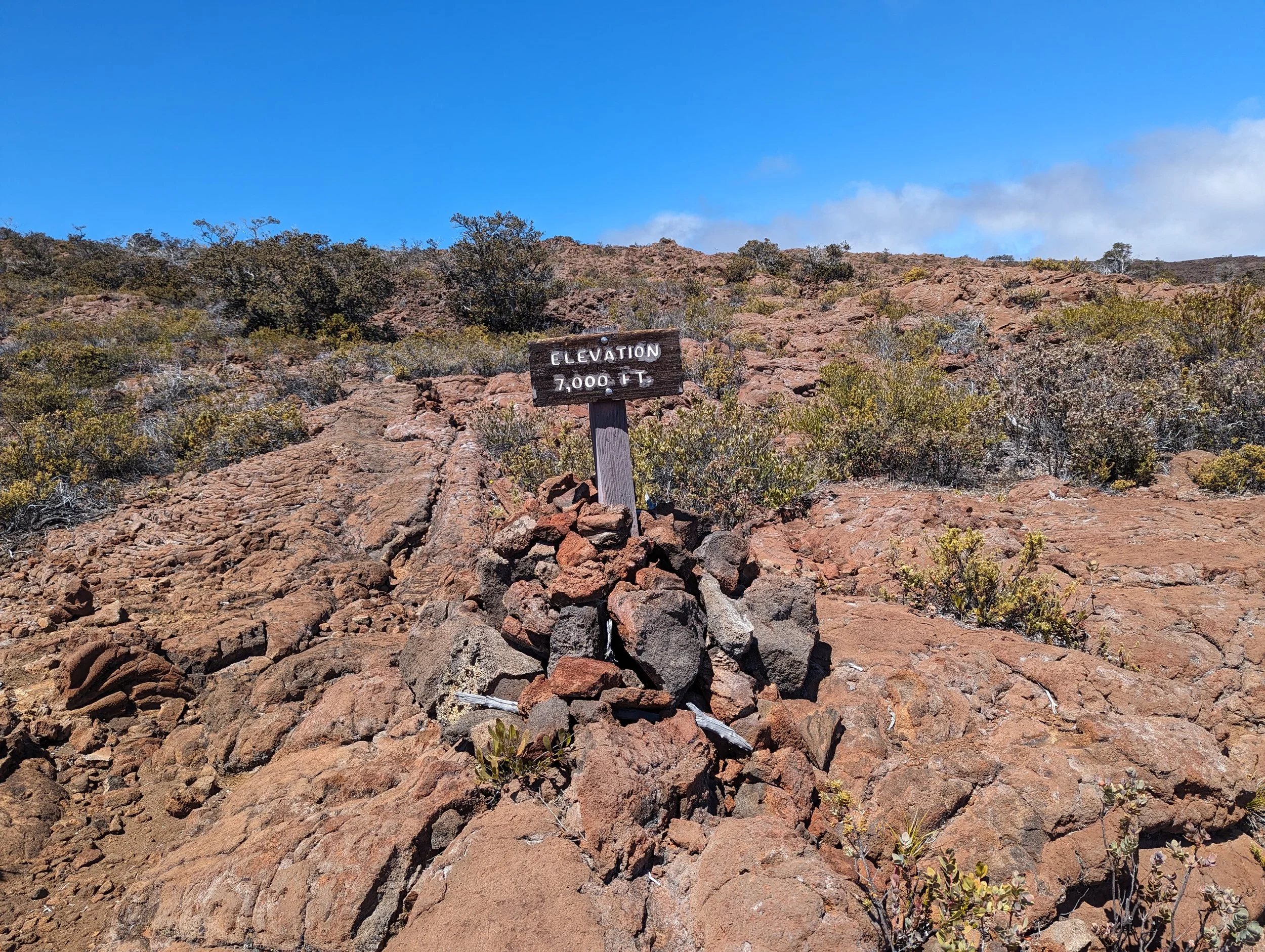
Mauna Loa to Red Hill Backpacking Route



(Hawaiʻi Volcanoes National Park – For Highly Fit, Experienced Backpackers Only)
The Mauna Loa to Red Hill route is a serious backcountry backpacking trip inside Hawaiʻi Volcanoes National Park, intended only for experienced backpackers with a very high fitness level and strong self-sufficiency skills. This is not a scenic hike. It is not pleasant. And it is not something most people should attempt.
This route is typically done as a two-day backpacking trip with an overnight stay at Red Hill (Puʻu ʻUlaʻula) Cabin. Reservations are required, and hikers must check in with park rangers before starting. Conditions, weather, and logistics matter here, and this is one of those routes where optimism gets people into trouble.
Overview
Distance, Elevation, and Time
Most backpackers should plan on:
Approximately 22 miles round trip
Roughly 4,000 feet of total elevation gain
Starting around 6,600 feet elevation
Ending at 10,035 feet at Red Hill Cabin
Two long, demanding days carrying a full overnight pack at high altitude
Those numbers don’t fully convey the difficulty. The terrain, exposure, altitude, pack weight, and monotony make this feel far harder than similar mileage on conventional mountain trails. Progress is steady, slow, and mentally grinding rather than technically difficult.
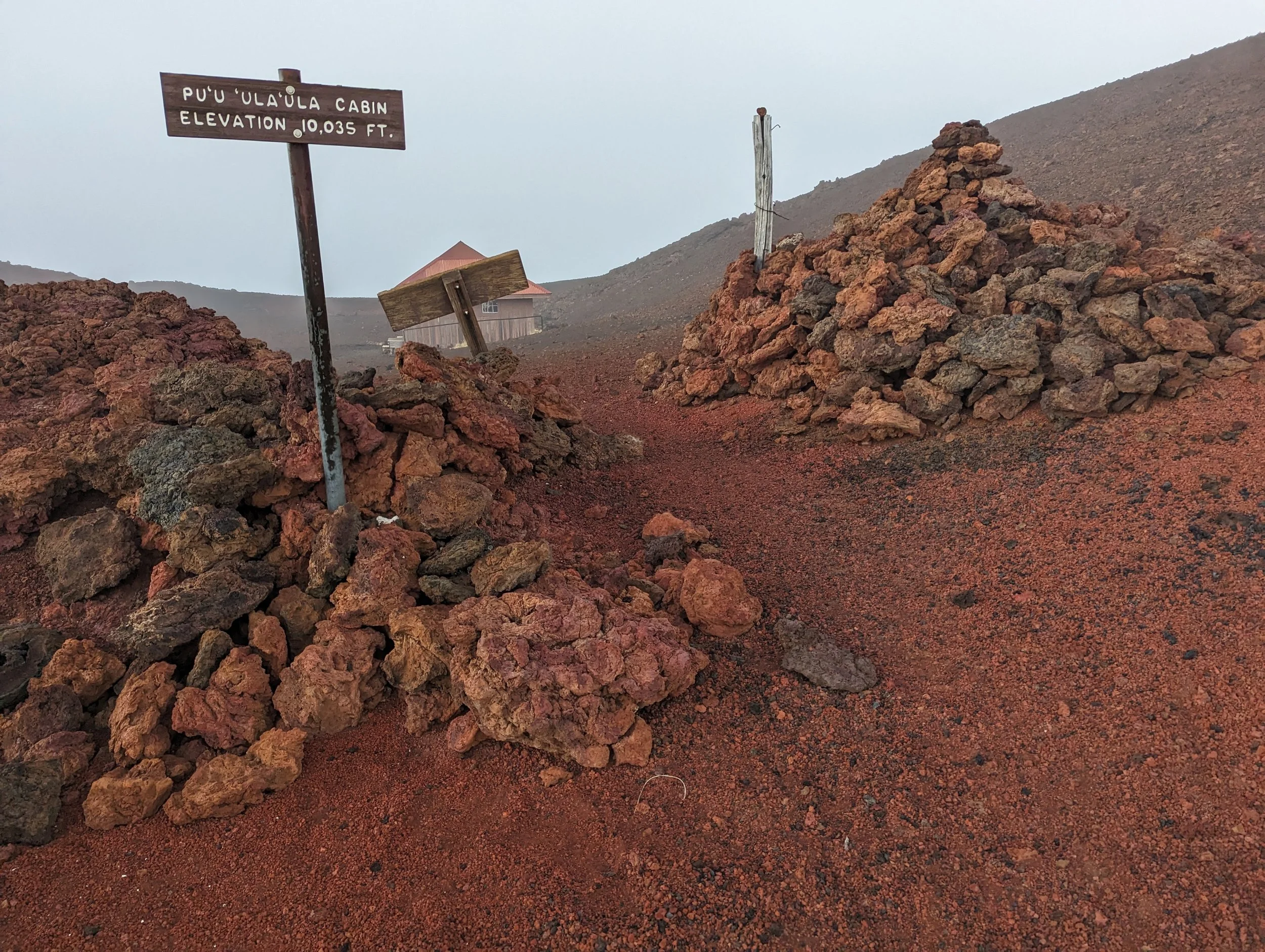
The trail crosses the upper slopes of Mauna Loa through endless lava fields and cinder terrain, with virtually no vegetation, no shade, and very little visual variation. If you don’t find stark volcanic landscapes compelling, you will hate this route. There are no forests, no waterfalls, and no scenic distractions. Just rock, sky, wind, and distance.
Large portions of the hike pass through an area that sees frequent rain. This is critical to understand. You can begin the hike under clear blue skies and still spend hours walking in steady rain. It is not realistic to expect good weather to hold.
You should be prepared for:
Hot, sun-exposed hiking
Cold, wind-driven conditions at elevation
Mild to heavy rain, sometimes without warning
Rapid swings between all of the above
It is very common to be sweating and overheating one hour, then bone-cold, wet, and miserable the next. Proper layering is mandatory. Rain gear matters. Dry layers reserved specifically for camp can be the difference between discomfort and real suffering.
The Route and the Reality
While much of the climb can feel brutally hot, conditions near Red Hill are often very cold, especially with wind. Nights at the cabin and early mornings on the descent are frequently freezing, even when lower elevations are warm. Underestimating the cold at 10,000 feet is one of the most common mistakes people make on this route.
Altitude compounds everything. Fatigue builds faster. Recovery is slower. Weather feels harsher. Small issues become big ones.
Cold, Altitude, and Exposure
The reason to do this route is not beauty in the conventional sense.
The reason is the experience.
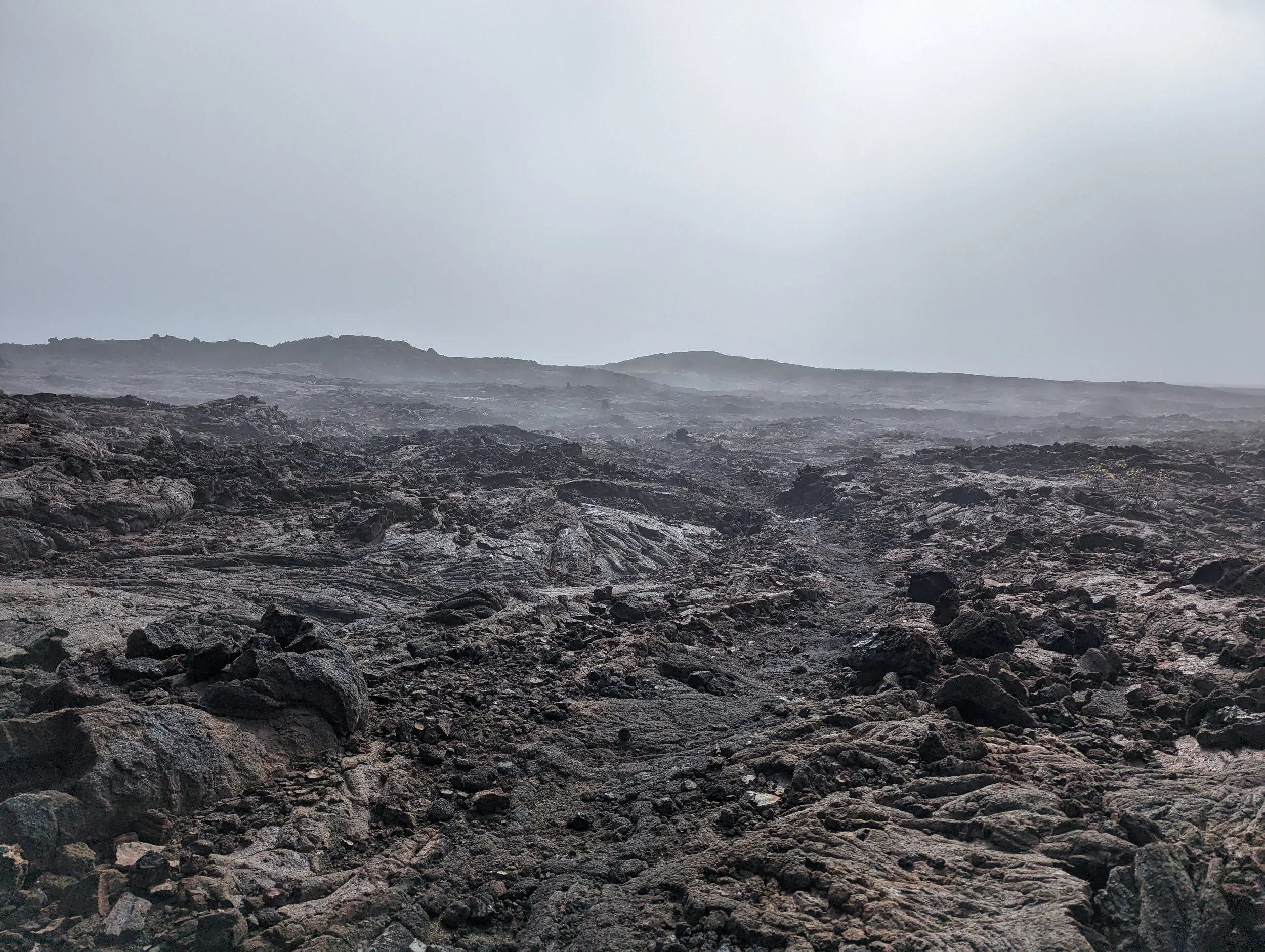
As you approach Red Hill, the landscape becomes so barren and stripped of reference points that it stops feeling familiar. There is almost no color, no vegetation, and no sense of scale your brain recognizes. The ground, sky, and light flatten into something that feels profoundly alien.
This is not metaphor. When you arrive, it genuinely feels like you are no longer on Earth.
The accompanying photo is unedited. The muted, almost black-and-white appearance is exactly what it looked like in person.
That psychological dislocation is the payoff.
Why Anyone Does This
When you finally reach Red Hill Cabin, it feels earned.
At the cabin, you’ll find:
Shelter, which feels extraordinary after full exposure
Water, which must be treated
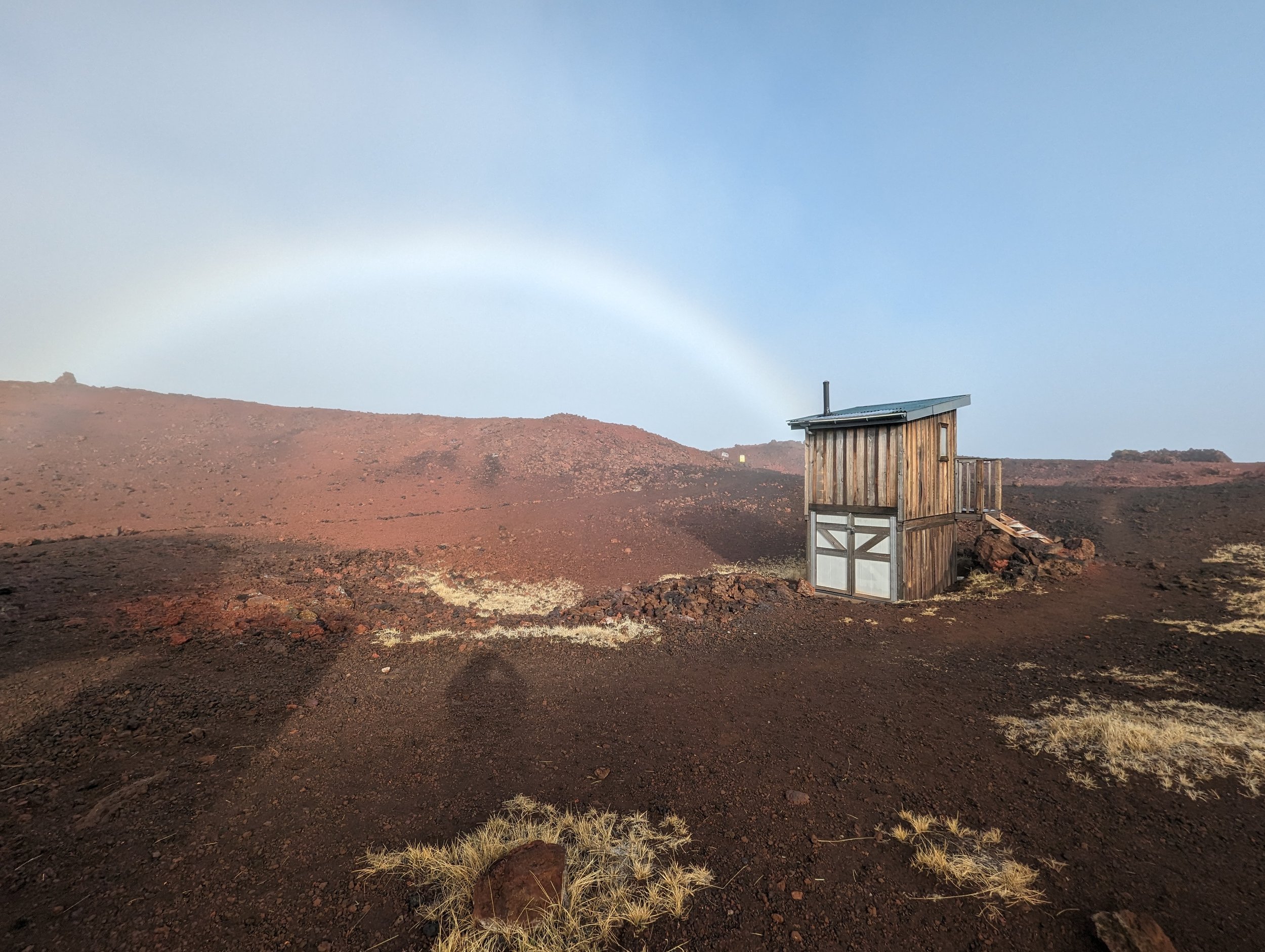
Bathrooms, which feel almost absurdly luxurious given where you are
Bring candles or other lighting for the cabin. Once the sun sets, it becomes completely dark. Some people bring a small game or cards. Sitting quietly inside a remote cabin at 10,000 feet, miles from anything, while weather moves across the mountain outside, becomes part of the experience.
Cell service along the route is intermittent, and you should expect little to no service at the cabin itself.
Red Hill Cabin
I’ve attempted this route three times and completed it once. That’s not said for drama. It’s because conditions, weather, timing, and fitness all matter here. Even well-prepared backpackers turn back. That’s normal. Completion is never guaranteed.
If you read trip reports online, you’ll see recurring themes: monotony, cold, wind, rain, mental fatigue, and how much harder this is than expected. Those aren’t exaggerations. They’re accurate descriptions.
A Personal Reality Check
This is not a backpacking trip for most visitors, including strong hikers. The Big Island offers countless extraordinary experiences that are far more accessible and rewarding.
But for a very specific audience who actively seek extreme physical challenges, or experienced Colorado backpackers accustomed to long days on 14ers, this route can be unforgettable.
This is not about fun.
It’s about endurance, weather, isolation, and the rare experience of feeling completely removed from the modern world.
If that sounds appealing, this may be one of the most intense backpacking experiences you’ll ever have.