Kaimu Beach (Kalapana, Puna Coast)



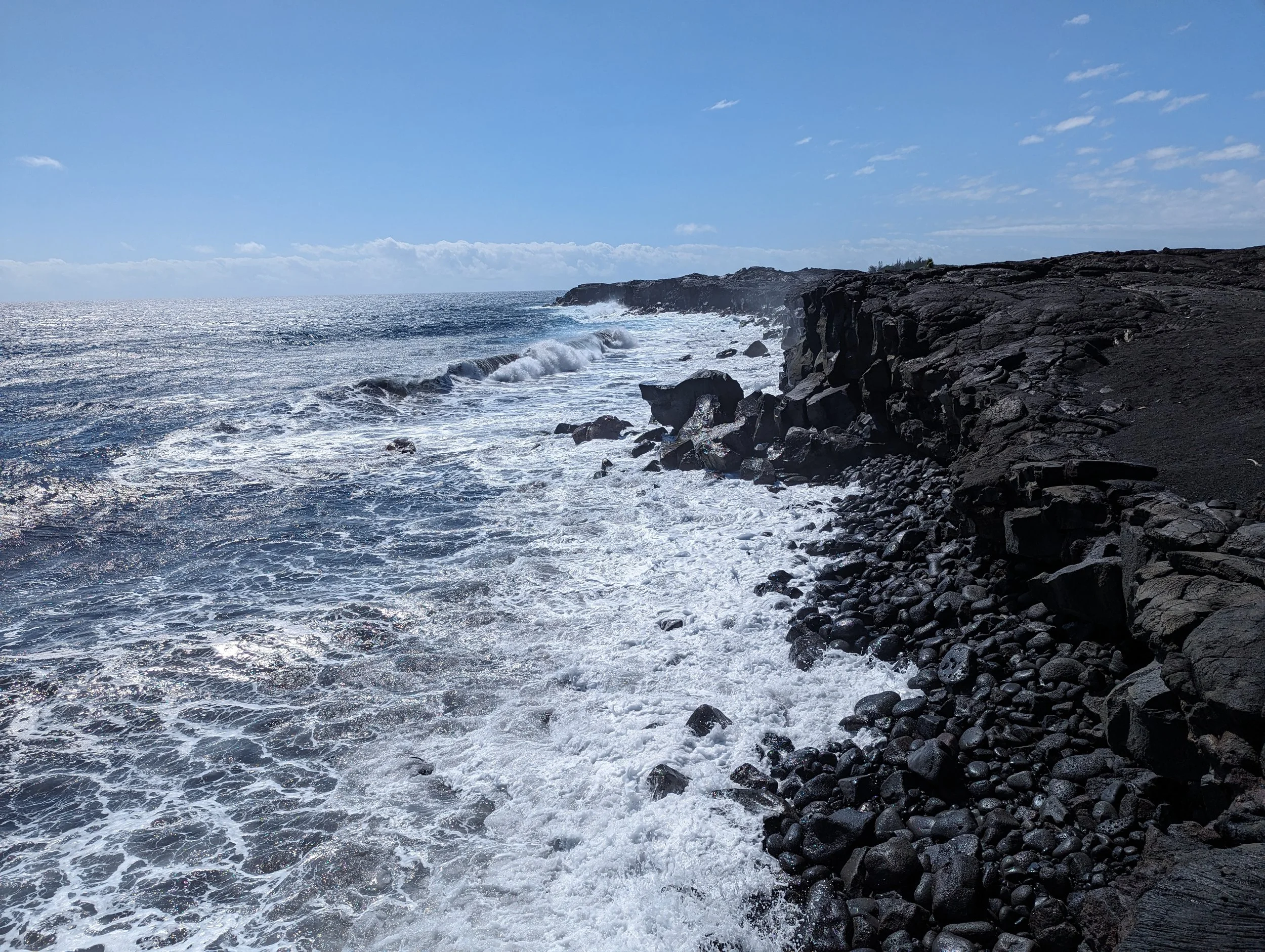
Kaimu Beach is a unique and deeply meaningful stop on the Big Island’s Puna Coast—a place where Hawaiʻi’s cycles of destruction and renewal are visible in the landscape itself. Once home to a beautiful palm-lined black sand beach and a small village, Kaimu and nearby Kalapana were completely covered by lava from a long eruption of Kīlauea that began in the 1980s and buried the original shoreline and homes under nearly 50 feet of molten rock. Wikipedia
Overview
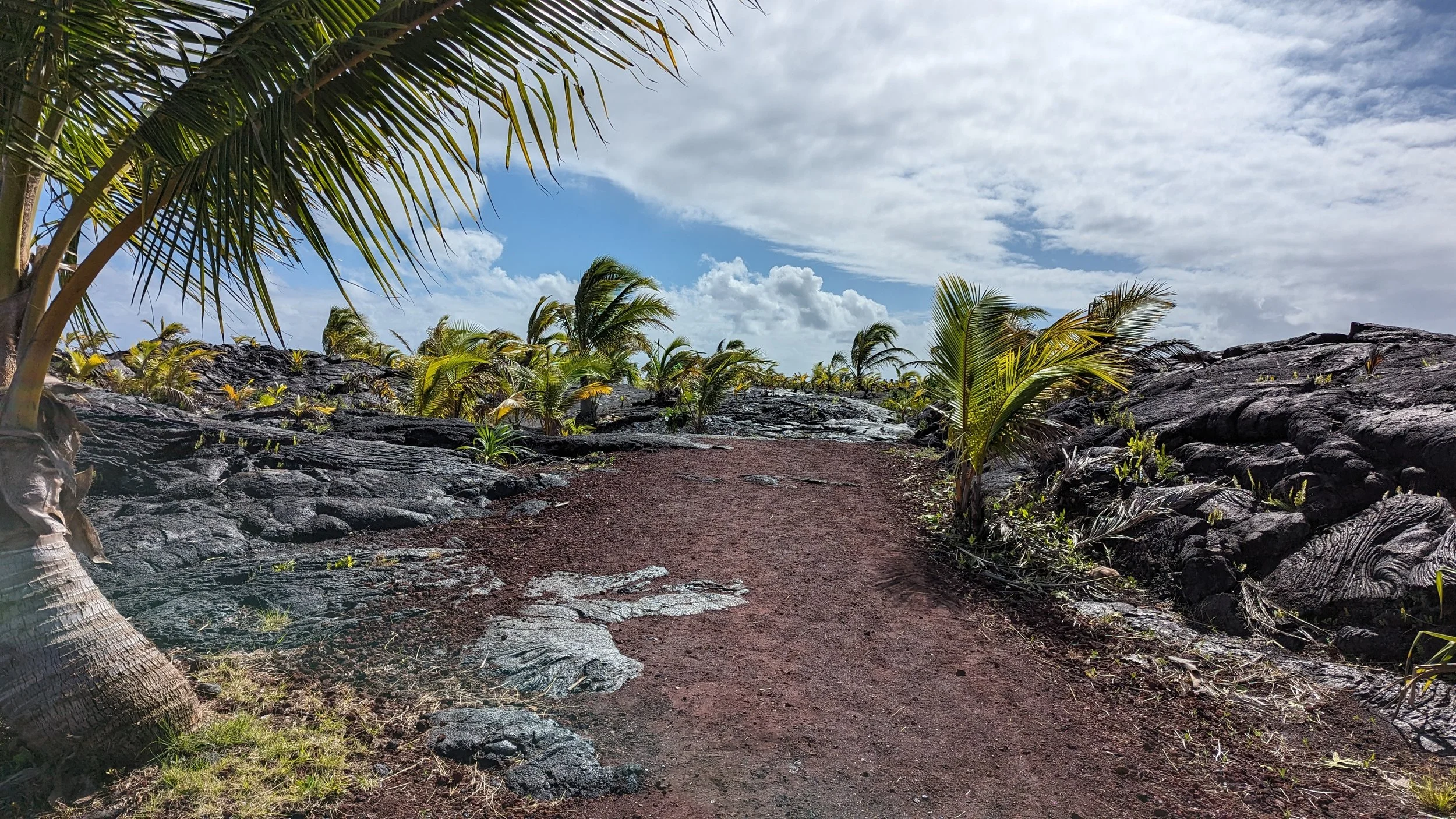
Today, a new black sand beach is forming where the lava met the sea, and visitors reach it by a short, scenic hike of roughly a quarter-mile across hardened lava fields. The path leads past young plantings of coconut palms and pioneer vegetation, literally showing the island’s rebirth. Love Big Island+1 While currents and surf here make swimming unsafe, the dramatic shoreline and crashing waves are spectacular to watch, and the hike itself is a beautiful exploration of Hawaiʻi’s geological story. Love Big Island
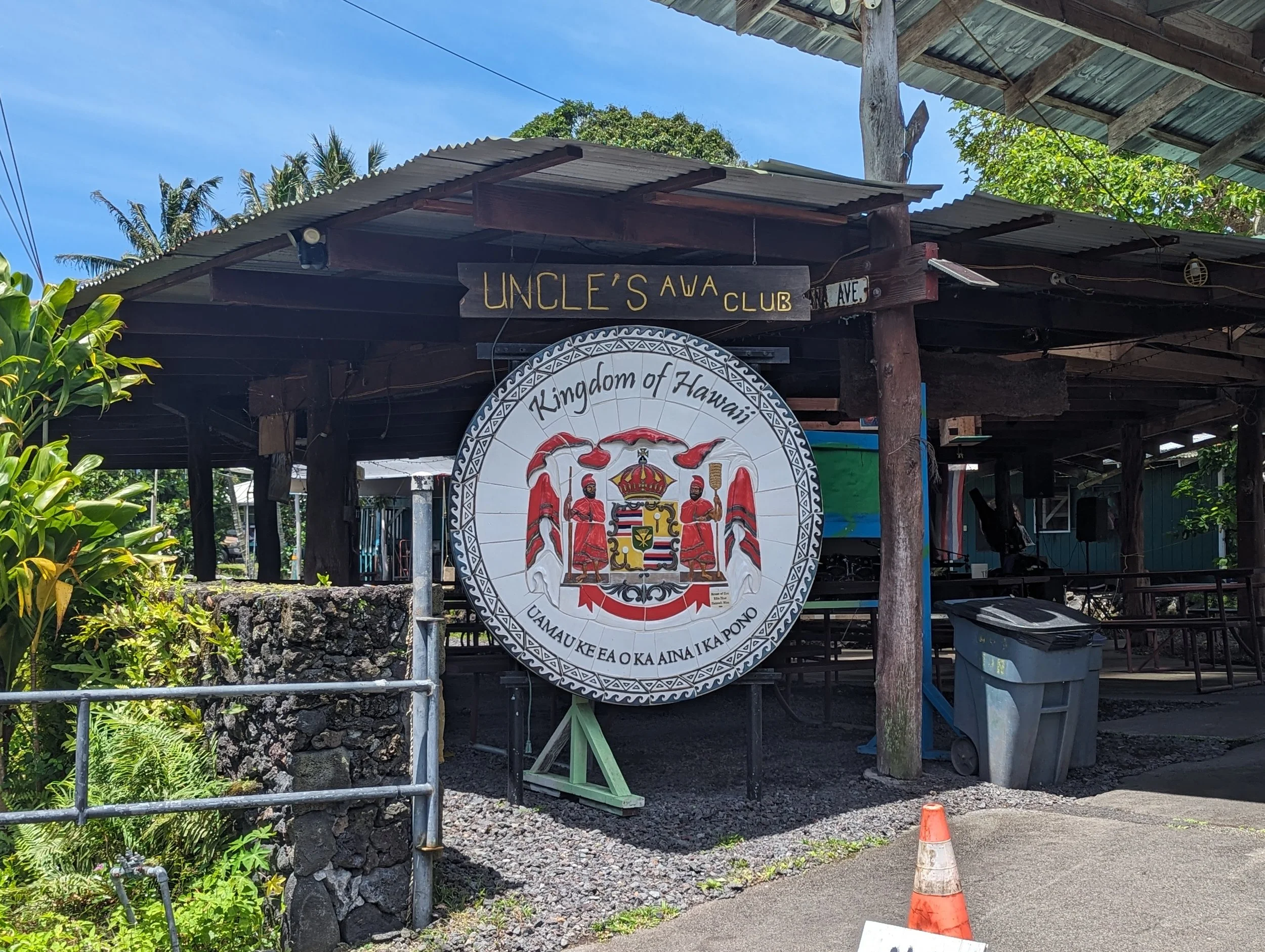
Right near the trailhead, the Kaimu Farmer’s Market takes place every Saturday from about 8 am to noon, with local produce, prepared foods, desserts, and crafts, attracting both residents and visitors alike. Kaimu Farmer's Market+1 Close by, Uncle Robert’s Awa Bar & Market offers food, smoothies, and local treats, and adjacent to it you’ll find an art gallery featuring pieces inspired by the land, lava, and Hawaiian culture, making this area a lively hub of community, creativity, and flavor. Love Big Island
The local community is actively engaged in bringing life back to the landscape, with families and neighbors planting coconut palms and other species in places once covered by lava, helping the area green rapidly and reminding visitors that this is land in the process of healing and regeneration.
Kaimu Beach is a perfect stop along the way to MacKenzie State Recreation Area, offering a striking contrast of barren lava fields, new black sand shoreline, community culture, and local food experiences. Whether you’re on a longer Puna coast adventure or just exploring between destinations, this spot connects nature, history, and local life in a way few places can.