
Hawaiʻi Volcanoes National Park



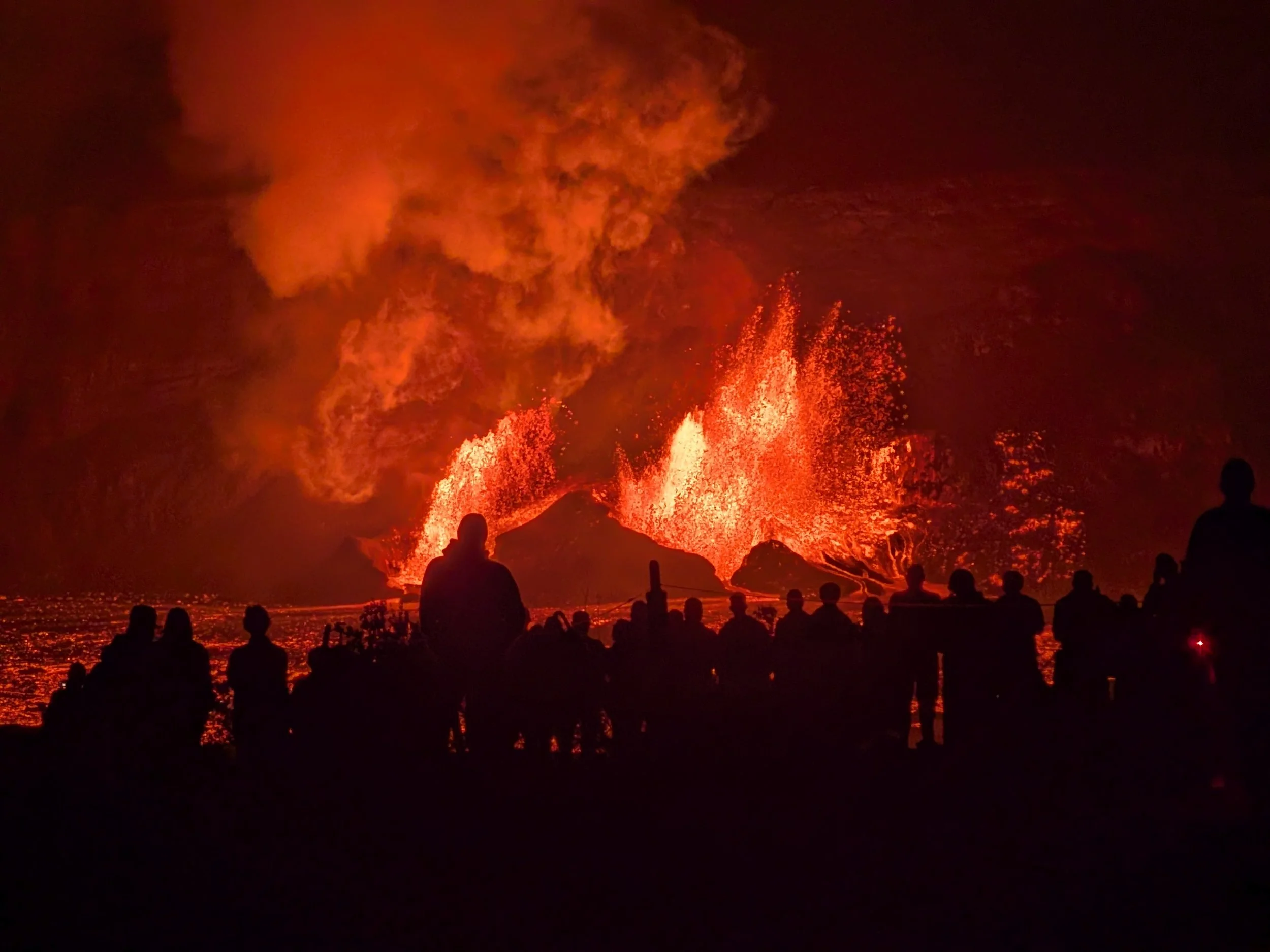
Hawaiʻi Volcanoes National Park is one of the most extraordinary places on the planet, centered around Kīlauea, one of the world’s most active volcanoes. Seeing an eruption in person is unforgettable, the kind of experience that becomes a lifelong core memory and often the single most powerful moment of a Big Island trip.
Since December 2024, Kīlauea has been erupting on average about once every 10 days, meaning visitors staying a week or two have a real chance of being there at the right time. These eruptions are typically short-lived, sometimes lasting only hours, so timing is critical. If an eruption begins, you should drop everything and head to the park immediately, no matter the time of day. Traffic can quickly become overwhelming, and delays can make it nearly impossible to get in before the activity subsides. Viewing conditions are generally excellent unless rain moves in, which can significantly reduce visibility.
Overview
How to See the Volcano When It’s Erupting
If Kīlauea is actively erupting, the best approach is to drive to Devastation Trail
Google Maps: https://maps.google.com/?q=Devastation+Trail,+Hawaii+Volcanoes+National+Park
Do not plan on parking in the Devastation Trail lot itself. If there’s an eruption, that parking lot will almost certainly be full. When you reach the stop sign near the lot, make a left onto Chain of Craters Road and continue driving until you find a safe place to park along the road. You will find a spot, but it could be anywhere from a few hundred yards to as much as a mile down the road. If you arrive early enough in the eruption cycle, it’s often much closer.
Once parked, walk back to the stop sign and begin walking down Devastation Trail. Despite the name, this is simply a paved road and is very easy to walk on. Depending on wind direction, you may encounter Pele’s hair, fine volcanic glass fibers that are dangerous to inhale, so bringing a face mask is a good idea. Continue walking until you reach the designated viewing area.
The walk to the viewing area and back is approximately 2 miles round trip, with minimal elevation change.
Important Safety & Common-Sense Notes
Wind matters. If the wind is blowing toward you, conditions can change quickly. Turn back if air quality deteriorates.
Bring layers. Evenings can get cold and windy, especially after sunset.
Good footwear helps. The trail is paved, but surrounding areas are rough lava rock.
Night viewing is popular. Bring a flashlight or headlamp if you expect to walk back after dark.
Stay behind barriers. They are placed where they are for a reason; eruptions are unpredictable.
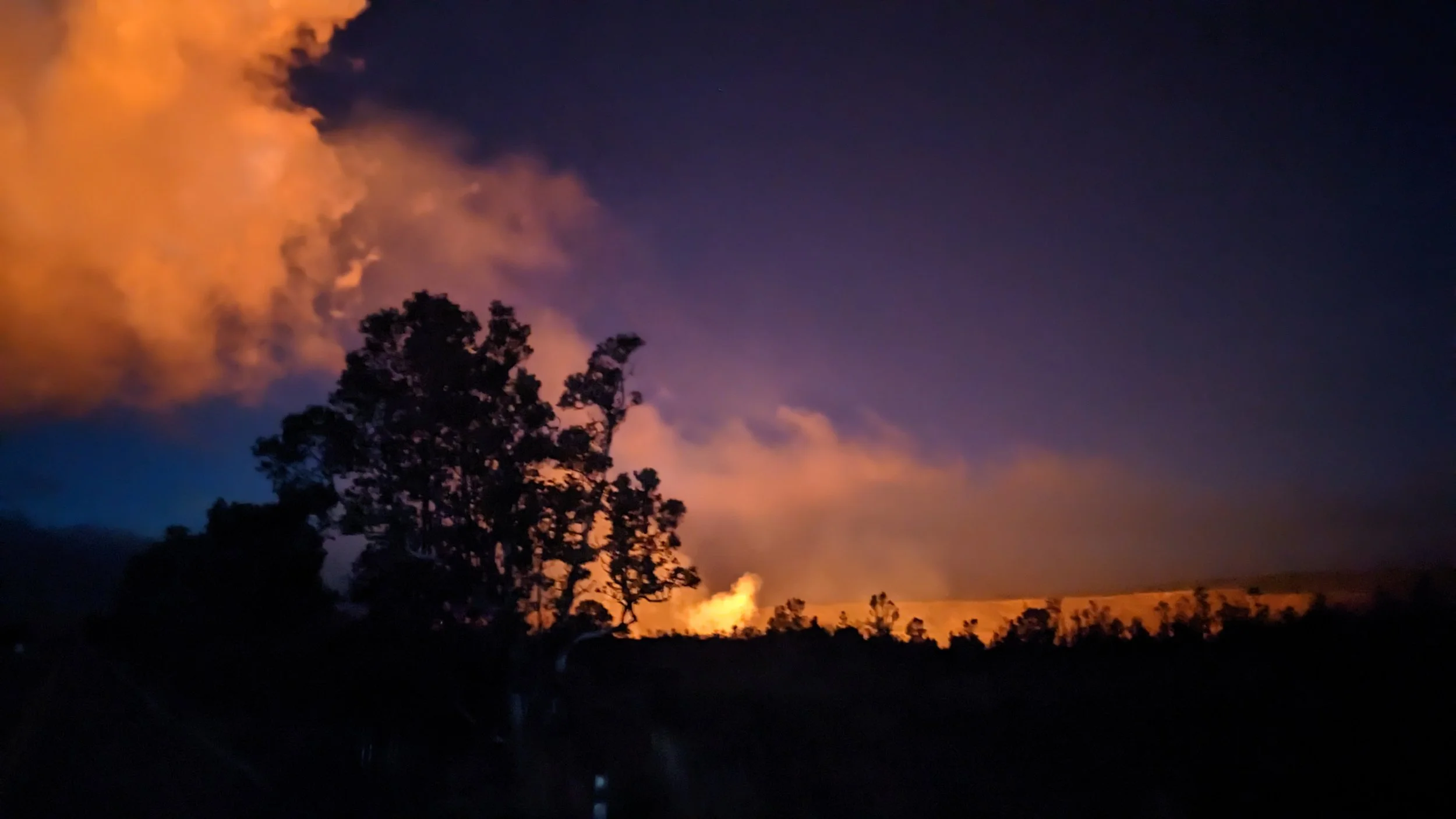
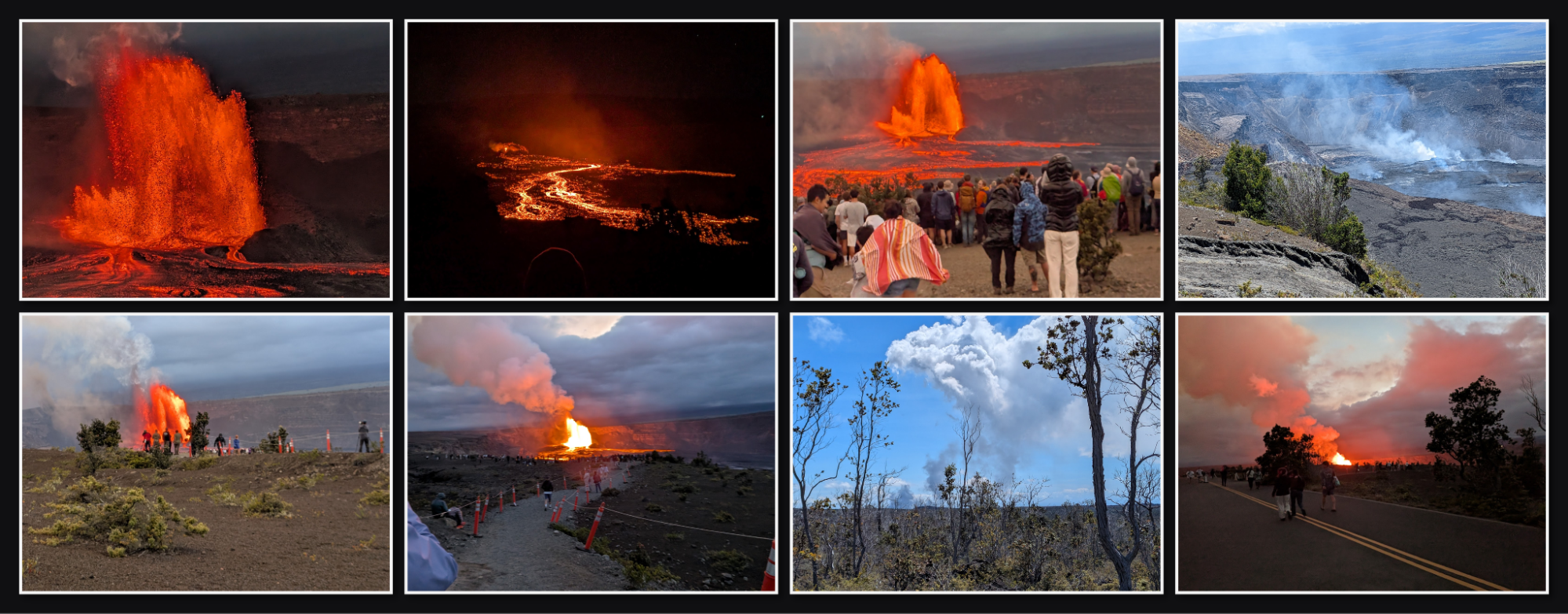
When the volcano is not erupting, the park still offers a remarkable experience. Visitors can explore vast lava fields, walk across solidified flows, peer into massive craters, and see steam rising from volcanic vents. Scenic drives wind through stark volcanic landscapes, while trails range from easy walks to longer hikes through craters, rainforests, and lava tubes. The park also provides insight into Hawaiʻi’s geology and cultural history, helping visitors understand how the island was formed and how volcanism continues to shape it today.
That said, while the park is always interesting, the eruption is the moment to prioritize above all else. If you are fortunate enough to witness Kīlauea actively erupting, it will almost certainly become the defining highlight of your time on the Big Island.