
Coming to Hawaiʻi for the First Time

The biggest misconception people from the mainland have about Hawaiʻi is thinking that the word Hawaiʻi is singular. It isn’t. There are eight Hawaiian islands, and each one is dramatically different from the others. When most people hear “Hawaiʻi,” what they are actually picturing is Oʻahu, home to Honolulu and Waikīkī. That is not our island.
Oʻahu has about 1.1 million people living on a relatively small island, much of which is uninhabitable. While it is beautiful, the experience can feel like picking up Los Angeles and dropping it into paradise. Traffic is intense, crowds are constant, and prices are shockingly high. The scenery is lovely, but the sense of calm many people imagine simply isn’t there.
Overview
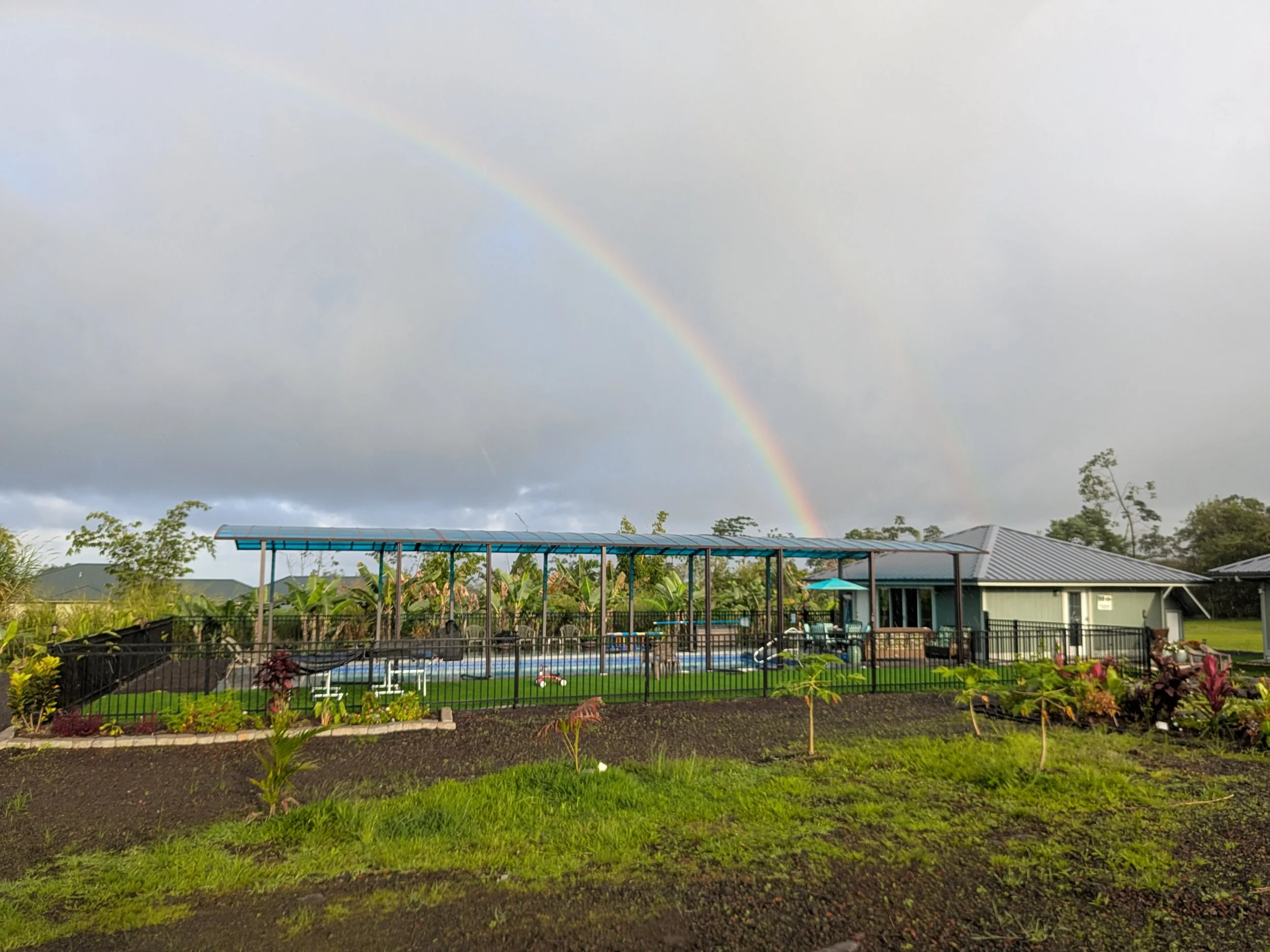
The good news is, we don’t live on Oʻahu.
We live on the Big Island, and it earns that name honestly. It’s roughly the size of Connecticut, and all of the other Hawaiian islands could fit inside it with room to spare. This island is also geologically young and still very much under construction. One of the most active volcanoes on Earth continues to create new land here. The result is a place that feels raw, rugged, and unfinished, in the best possible way.
This is not an island of endless calm lagoons and white sand beaches. The ocean here is often powerful and dramatic. Waves slam into sea cliffs and explode upward. Lava rock defines much of the coastline. These are not drawbacks, they are reasons to come, but only if your expectations are realistic. Because the island is so large, driving distances can be significant, and seeing it properly takes time.
If Oʻahu is Los Angeles in paradise, the Big Island is more like a remote village with a gas station and a country store. Hilo and Kona aren’t really cities so much as large towns. You can find big stores, even a Costco in Kona, but once you leave town, the island becomes extremely rural very quickly. Only about 200,000 people live here, spread across jungles, farms, and vast lava fields.
Finally, a word about island hopping. Mahie Paradise Place is designed to function like an all-inclusive home base, allowing you to experience the Big Island deeply without constantly spending money on lodging and meals. That said, if you’ve flown all the way to the middle of the Pacific and your budget allows it, you may want to see another island as well. We’re happy to help with planning.
It’s technically possible to fly to another island in the morning and return the same evening for not much more than the cost of an Uber ride, though we don’t recommend it, as it makes for a very long and tiring day.
If you can visit only one additional island, and time and budget allow, we cannot recommend Kauaʻi strongly enough. It is arguably one of the most beautiful places on Earth. As the oldest of the major Hawaiian islands, it hasn’t erupted in nearly a million years, allowing soil and erosion to shape landscapes of extraordinary beauty. From the Nā Pali Coast to the Waimea Canyon, often called the Grand Canyon of the Pacific, it’s a true bucket-list destination. Just be aware that while Hawaiʻi is expensive in general, Kauaʻi is especially so.
In short, Hawaiʻi is not one place, and it’s not one experience. Understanding that before you arrive makes all the difference.